

The Vital Root™ Method · Practitioner CertificationBecome the practitioner who understands the center of a woman’s body.
A practitioner certification that combines clinical pelvic health with functional nutrition, somatic practice and Ayurveda. Built for practitioners who are ready to serve women in a way the old model never could.
Founding rate: $3,999 (regularly $5,999) · Limited spaces
Why the old model falls short
In midlife, a woman’s care is usually split in two. One provider handles hormones and metabolism. Another handles the pelvic floor. They rarely talk to each other.
Think of a plant. You can treat the yellowing leaves one by one, but if you ignore the soil, the problem keeps coming back.
The Vital Root™ Method trains you to look at the soil: the gut, hormones, metabolism, nervous system and pelvic floor as one living system.

What you will understand that most practitioners don’t
The pelvic floor is hormone-sensitive tissue
The tissues of the vagina, urethra, bladder and pelvic floor are rich in estrogen receptors. As estrogen declines, women may notice:
Thinner, drier tissue, with irritation, burning or pain with intimacy
Less collagen, which can contribute to pressure or prolapse symptoms
A more sensitive bladder and urethra, with urgency, frequency, waking at night to urinate, or more UTIs
Changes in muscle tone and coordination, which make quick pelvic floor responses harder
Together these changes are called genitourinary syndrome of menopause. You will learn to recognize it, support women within your scope, and know when to refer.

Metabolism shapes the pressure the pelvic floor carries
Abdominal pressure: load through the abdomen affects how much pressure the pelvic floor manages with every cough, lift and step
Blood sugar: insulin resistance and diabetes are linked to incontinence, urgency and UTIs, and can affect pelvic nerves and blood vessels
Muscle: women lose muscle faster after menopause, and the pelvic floor works as a team with the glutes, hips and deep core
The three phases you will learn to guide
Phase 1 · Sensation: reconnect and restore
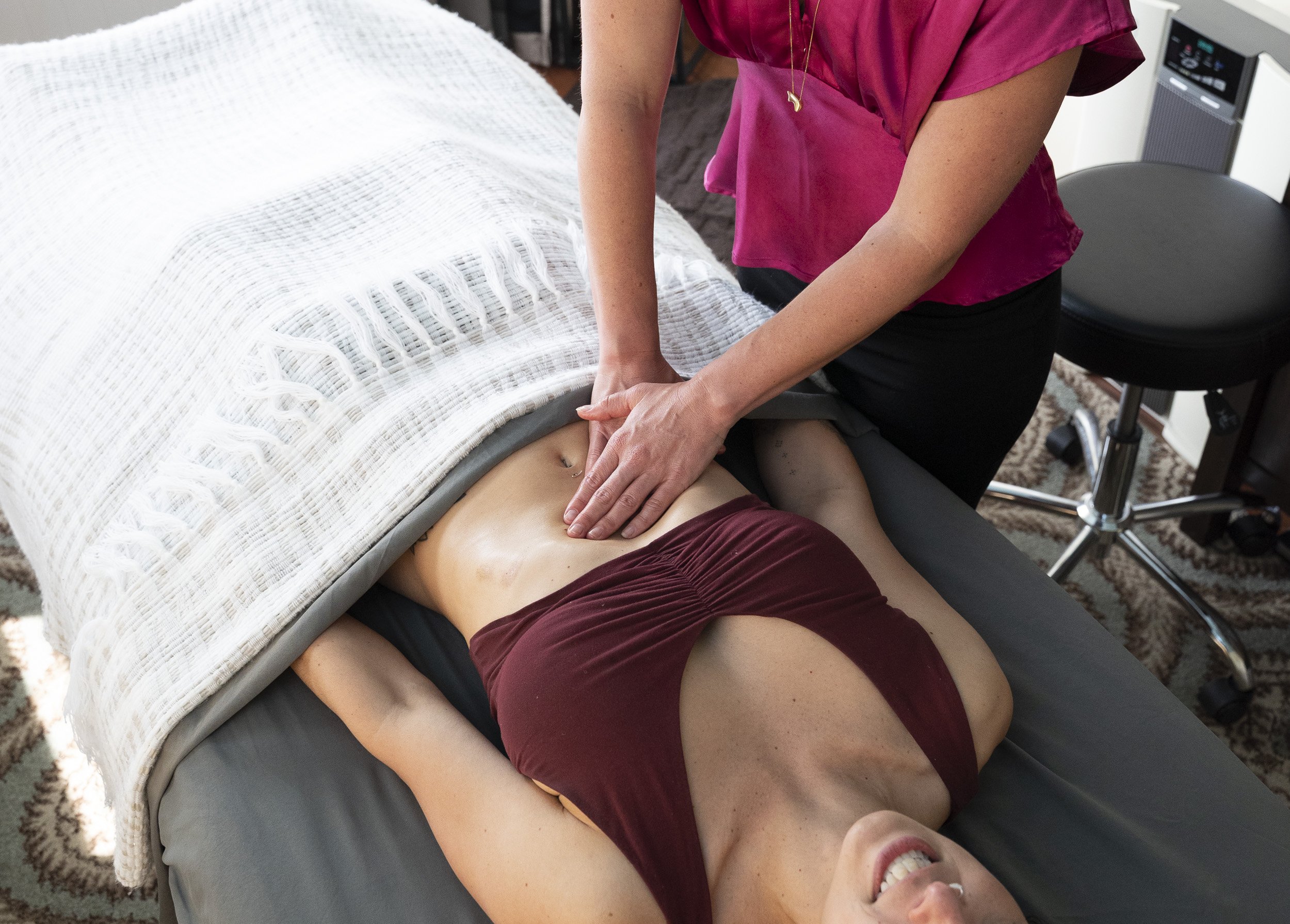
Breath, somatic movement, lymphatic support, visceral techniques and nervous system sequencing, so the body can feel the pelvic floor and core again.
Phase 2 · Structure: rebuild the foundation
Breath mechanics, pelvic floor coordination, spinal alignment, pressure management and connected-chain strength.
Phase 3 · Sovereignty: build, balance and own the body
Functional strength, balance, embodied movement, body literacy and at-home tools women keep for life.
Ten specialty tracks
You will learn to integrate the pelvic floor across ten areas where women most need it.
-

Hip and Back Pain
Your back and hips keep returning to pain because what is driving it has never been fully addressed. This track goes beyond stretching and strengthening to treat the nervous system, the gut, and the movement patterns that are keeping you stuck.
-

Hypermobility
Your sensitivity is not a weakness, it is a different way of being in a body, and it requires a completely different approach to movement, stability, and healing. This track is built specifically for the highly sensitive system that conventional medicine has never known quite what to do with.
-

Somatic and Trauma Healing
Your symptoms are not in your head. They are in your body, and they will not release through insight alone, they release through movement, breath, and the gradual rebuilding of a felt sense of safety that this track is designed to provide.
-

Digestion
Your gut is your second brain, your immune headquarters, and one of the most honest messengers your body has. This track addresses the full picture of digestive health, from blood sugar and bowel function to the nervous system state that determines whether digestion can even begin.
-
Trail Adventures and Athletic Training
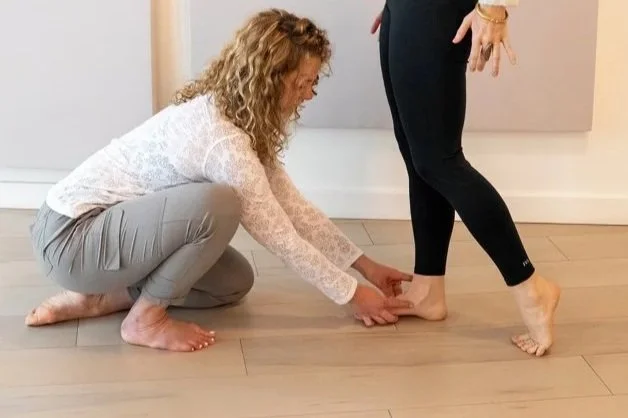
You love to move hard, and you are here because moving hard is costing you more than it should. This track builds the foundation your training has been missing: stability, coordination, recovery, and the pelvic floor mechanics that determine how force travels through your body on every run, climb, and trail.
-

Pleasure and Reclamation
Pleasure is not a reward for being healed, it is part of the healing itself. This track is for women who are ready to reclaim their bodies as sources of sensation, vitality, and intimacy, and who are ready to understand why that has not felt safe and how to change it.
-

Perinatal
Your body is doing something extraordinary, and it deserves support that actually rises to meet that. This track provides the clinical guidance that pregnancy, birth preparation, and postpartum recovery deserve and most women never receive.
-

Pelvic Pain
Your pelvic pain is real, and the way it has been treated is incomplete. This track addresses pelvic pain as the whole-system problem it actually is: the pelvic floor, the nervous system, the gut, the hormones, and the somatic history of the body that is experiencing it, all at once.
-

Incontinence and Prolapse
Leaking and prolapse are not inevitable, and they are not something you simply have to manage. They are pressure management problems in a system that was never adequately taught to manage pressure, and this track teaches it.
-

Neck and Shoulder Pain
Your neck and shoulder pain is not a posture problem, it is the top of a longer chain that starts at your breath, your pelvis, and your nervous system. This track addresses all of it, from the bottom up, so the release actually holds.
Ancient Wisdom | Modern Science
What is included
Full Vital Root™ Method video library, organized by phase and track
One-on-one education in functional movement, functional nutrition and somatic release
Ayurvedic principles and yoga philosophy as practical clinical tools
Pelvic floor integration across all ten specialty tracks
Gut health and digestive support education
Guidance on at-home tools such as pelvic wands and biofeedback, and when to refer for them
Case study review with personal feedback from Dr. Val
Practitioner discounts on supplements and pelvic health products
Certificate of completion
Who this certification is for
Doctors of physical therapy and physical therapists
Yoga teachers and yoga therapists
Personal trainers and movement coaches
Somatic therapists and bodyworkers
Naturopathic doctors
You do not need a pelvic health background. You need curiosity and a commitment to serving women well.
Here Is How It Works
-
1. Apply and connect
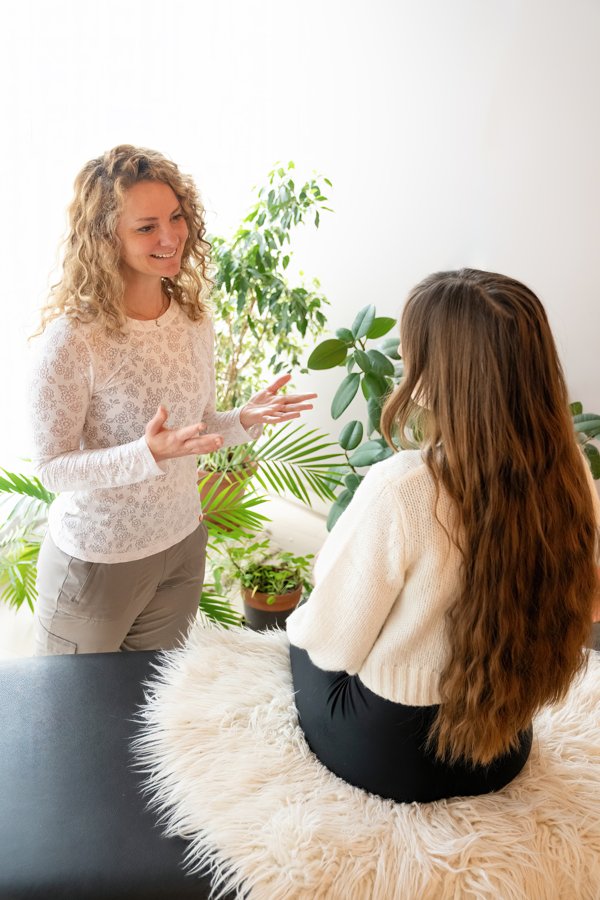
. Tell us about your practice, then book a short call with Dr. Val to make sure the certification fits your goals.
-

2. Train
Move through the three phases and ten specialty tracks with the video library, one-on-one education and case study review.
-

3. Certify
Submit your case studies, receive personal feedback from Dr. Val and earn your certificate of completion.
Transformation Client Testimonial
“I've worked with a lot of practitioners over the years. Val truly stands out. She's honest. She's kind. She's knowledgeable and intuitive. I highly recommend her.”
What Clients are Saying
-
![A smiling woman with long blonde hair holding a baby wearing a colorful elf hat and blue pajamas with festive patterns, in a decorated room with balloons and teddy bear-shaped balloons in the background.]()
A.W. Psychologist and Mother
"Dr. Val Brown offers incredible services with unmatched care and knowledge. I took her group coaching course and was amazed by how beautifully Dr. Brown led us through the course. We got the opportunity to learn from her and connect with other women. I also have had teletherapy Physical Therapy appointments with her and she was amazing. I cannot recommend Dr. Brown and her services highly enough."
-
![A woman with long, wavy, blonde hair smiling while holding a pair of black headphones in a cozy, artfully decorated room with wooden walls, a skeleton model, bookshelves, and a bed with a yellow blanket.]()
Y.M. Healer & Community Leader
"I am extremely grateful for Dr Val’s way of blending skilled biomechanical knowledge with intuitive compassion and insight. When I first went in for my session I was coming in with mental overwhelm and emotional fatigue. After one session with her I felt calm, clear, open, and completely comfortable and relaxed in my body. I often slip into ADHD characteristics so these sessions are imperative for my wellbeing. After having experienced other body workers who didn’t have core empathic skills or gentle touch, I’ve come to realize how paramount a sense of comfort and safety is in order for true healing to happen on all layers of my body, psyche, and nervous system. I immediately felt comfortable in her presence and easily dropped into a calm state with her gentle touch. The craniosacral helped immensely with me attuning to the sense of safety in my body and nervous system, which I feel allowed me to receive the adjustments from the vibroacoustic sound therapy in a deeper way. "
-
![A woman with long, wavy, blonde hair smiling while holding a pair of black headphones in a cozy, artfully decorated room with wooden walls, a skeleton model, bookshelves, and a bed with a yellow blanket.]()
T.F. Entrepreneur & Vocal Artist
"Valerie is a highly intuitive and trained physical therapist. She has helped me with my back pain and my nutrition. Her touch is so relaxing and healing. I look forward to seeing her every week. I recommend everyone to go see her!"
-
![A woman with long gray hair, glasses, and a black shirt standing indoors against a dark background.]()
R.M. Yoga Instructor & Studio Founder
"I've had a long time injury to my neck and shoulder since a car accident in 2015. Recently I've been experiencing some serious nerve pain and had difficulties moving my arm. I've had three visits with Dr. Val and I knew after the first visit that I was going to have an experience that would be much more healing and longer lasting than my previous ones. Not only is Dr. Val a physical therapist, she is also a deeply intuitive healer who uses all of her training and skills to address the underlying issues of injury or pain. She is a truly integrative practitioner who focuses on you with a sensitivity of someone who knows how difficult it can be to trust that your needs will be met by someone in the medical field. I highly recommend Dr. Val. Especially if you are looking for someone with a true holistic view of medicine and wellness."
-
![Woman smiling outdoors, wearing a wide-brimmed straw hat, black sunglasses, and a sleeveless animal print top, with a blurred background of greenery and flowers.]()
L.S.M Mother & Teacher
"I have had the opportunity and privilege to work with Val Brown in her group coaching series as well as individual sessions! Val led her classes with such enthusiasm and attention to my individual needs. She accommodated her activities to my needs for arthritis and Ehler’s- Danlos, as well as my desire to keep hiking and playing even though my body hit 60! She respected my age and celebrated it as we made new goals to keep striving physically! I loved the community I felt in her classes with other people of all ages. Thank you for the experience."
-
![A smiling woman with short gray hair wearing sunglasses and a pink jacket standing outdoors with greenery in the background.]()
C.B. Grandmother, Retired Benefits Analyst
"Dr. Val Brown led the lifestyle medicine group coaching series and I was highly impressed. She combined dancing, journaling and pairing with other women in the class to explore how we can nurture our bodies and minds at any age. Dr. Val’s gentle nature created the safe space that is vital for exploring what issues help or hinder our growth. What a treat to be surrounded and supported by such an intuitive teacher. I highly recommend her series."
-
![Woman with long, curly blonde hair and blue eyes wearing a floral crown of large pink and peach flowers, in a setting with pink lighting.]()
C.H. Mother & Healer
"Dr Val is such an amazing support for my PT. Ive learned within weeks how to do exercises at home that support my wounded knee. Why and what this does for me was explained by her with a visual of the anatomy behind it. I used these practices while hiking recently and they were amazing. I didnt feel pain which was not the case before . So much knowledge. Im trying to soak it all up and apply it to my body. I would recommend her treatment and care to anyone who needs PT. The Sound healing was also such a great addition. So relaxing. I love the gentleness and knowledge dr val carries in her practice . Thank you so much excited to keep working with you in my healing journey."
-
![Woman with face painted with rainbow colors, wearing a rainbow tie-dye dress, at an outdoor festival or gathering, smiling and laughing.]()
Kezia, Musician
Val is a gifted healer, a skilled practitioner and a lovely human. In one session she found the source of pain that had eluded my doctors, and the treatment combined with her follow up suggestions...game changers! I can't recommend highly enough!!
-
![Close-up of a woman with long, curly red hair, smiling softly, wearing a light-colored top.]()
K.M. Interior Stylist
I came into Dr Val with tbi/neuro symptoms very flared up. I was feeling much head pain, frustration, overwhelm and overstimulated upon meeting with her. She was such incredibly kind, calming energy, and had incredibly intuitive touch. I walked out with less pain, and with my nervous system in a much a better place then when I arrived. And appreciated the great information she shared as well.


What becomes possible for your practice
You see the pelvic floor, gut and nervous system as one system, and your cueing changes for good
Clients stop bracing, leaking and managing, and start trusting their bodies
You help women move from stress into rest, not just through a workout
You give clients tools they keep, so the work continues between sessions
You become the practitioner women and clinicians refer to

What Is Included (for you and your clients):
Phase 1 We begin with your nervous system and your body's signals. Through breath, somatic movement, lymphatic support, visceral techniques, and nervous system sequencing, you move from managing symptoms to actually feeling and understanding what is happening inside you. Most women describe this as the first time their body has felt like home in years.
Phase 2 Breath mechanics, pelvic floor coordination, spinal alignment, and core pressure management, trained in connected chains rather than isolated exercises. For women with pelvic floor and digestive symptoms, this phase often creates noticeable change.
Phase 3 Functional strengthening, balance, and embodied movement in the activities you love. You build real capacity, not just stability, and movement starts to feel like expression rather than obligation.
-
Six in-depth education videos on the gut-pelvic floor-nervous system connection, alongside a personalized nutrition plan developed specifically for your inflammation patterns, hormonal landscape, and digestive presentation.
-
Developed from your comprehensive initial assessment and updated as your body responds and progresses. Not a template. Not a generic protocol. Your plan.
-
Six sessions over three months with real clinical eyes on your movement, your progress, and your questions. I watch you move. I adjust your plan. I translate what your body is doing into something you can understand and work with.
-
One movement class and open Q&A each month, held live. These sessions keep the community alive and give you access to clinical answers in real time, regardless of where you are in your individual progression.
-
The complete Vital Axis Method video library organized by phase so you always know exactly what to do and why.
-
This is what sets this program apart and takes you to the next level of your health journey. Setbacks won’t keep you off track, and you have someone to help you stay accountable to your goals. No long wait times or confusion to hold you back.
-
Enjoy 35% off all supplements and a wide range of pelvic products with discounts to help you sustain your health.
-
This is an essential part of nervous system rewiring. If appropriate, you will be guided on setting up a program for your home use and bring the results to subsequent visits.